
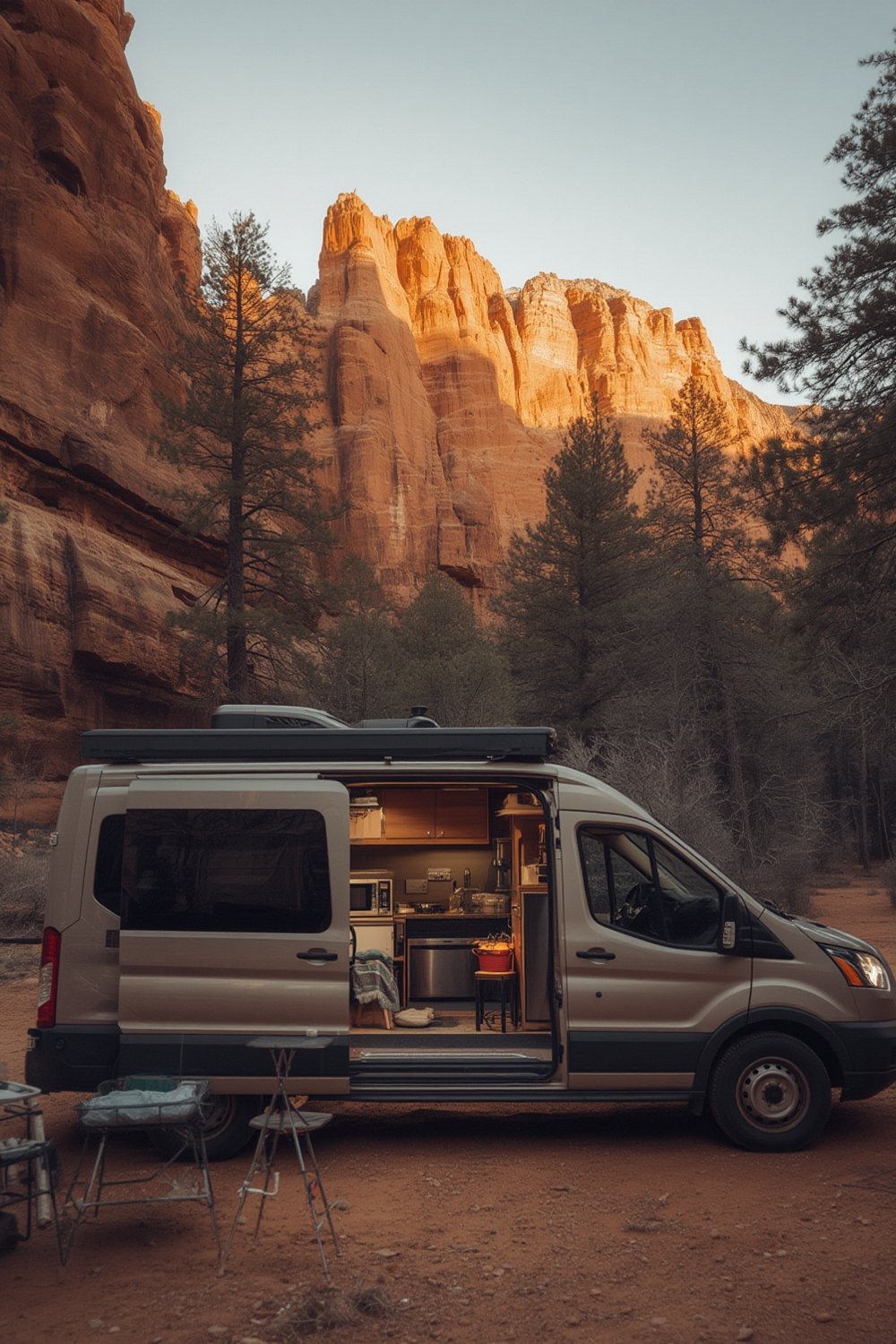
Setting up my camp kitchen in the wilds of a Utah canyon one frosty morning, the biggest surprise wasn’t the sunrise—it was discovering a Yeti camp mug alternative that actually kept my coffee hot for hours without costing half my grocery budget. If you’re a van lifer, backpacker, or weekend camper hunting for gear that’s practical, affordable, and durable, you’re definitely not alone.
Key Takeaways
- Budget insulated camp mugs under $30 from brands like RTIC, Ozark Trail, and Stanley can compete impressively with Yeti on heat retention and van life practicality.
- Common pain points with alternatives include weaker lids and faster heat loss, but features like spill-proof lids and dishwasher-safe parts make them strong contenders for mobile living.
- Choosing the right mug hinges on understanding your real needs—handling, storage, and cleaning matter as much as insulation for van dwellers and campers.
Table of Contents
Understanding the Demand for Budget Camp Mugs
Let’s get real—most van dwellers, car campers, and backpackers want insulated mugs that can take a beating and keep drinks hot, but without the premium Yeti price tag. Driven by years of living out of a van, I’ve watched the thirst for solid Yeti camp mug alternative options explode in recent years. According to recent market reports, this demand has pushed the insulated mug market into 6.5 to 9.2 percent annual growth through 2033, mostly on the strength of sub-$30 contenders.
What’s fueling this craze? Most campers and nomads care less about having a logo and more about reliable insulation, mugs that fit tight cabinet spaces, and gear that shrugs off the inevitable drops and dings of life on the road. Frankly, if you can save $20-30 and barely notice a slight drop in performance, why wouldn’t you?
Thanks to innovation from brands like RTIC and Ozark Trail, you don’t have to settle for lukewarm coffee or fragile plastic in the backcountry—or in a moving van. These brands are bringing premium features to budget-friendly mugs that specifically solve the problems of mobile living: space, spills, and easy cleaning.
Selecting the Right Camp Mug: A Practical Guide
Over nearly four years of road living and backcountry camping, I’ve tested a dozen mugs in tough real-world conditions—Utah slot canyons, windswept Pacific coastlines, Colorado’s frosty mornings. Here’s how to choose a budget insulated camp mugs that actually works for van life and camping:
Step 1: Outline Your Top Priorities
- Insulation: Do you need six hours of piping hot coffee, or is four hours enough before you’re on the trail again?
- Size & Weight: How much room do you have in your van kitchen or backpack? Slimmer mugs like Ozark Trail’s 10.5oz or RTIC’s sub-12oz models slide into cup holders and stack in kitchen cubbies.
- Lid Security: If you drive bumpy forest roads, seek locking lids (Stanley’s knockoff Quencher wins here).
- Easy Cleaning: Dishwasher-safe lids and non-porous interiors make life easier when water is scarce. Most budget picks deliver on this, where Yeti may not.
Step 2: Compare Top Models
- RTIC mugs ($15-25): Spill-resistant, dishwasher-safe, lightweight, with 4-5 hour insulation. Handles and straight walls make them easy to pack.
- super affordable, lighter than Yeti: often with a removable lid. Slightly thinner steel but solid performer for drinks under four hours.
- Stanley alternatives ($20-28): Focused on spill-proof lids, decently robust, ideal for van motion or if you’re a notorious mug tipper.

Step 3: Test for Fit and Function
- Try loading your mug into your preferred van cup holder or a tight pack side pocket before heading on the road.
- Simulate a spill by tipping the mug slowly in your sink—see if the lid’s design holds up (Stanley’s alternatives usually do best here, though they can be trickier to sip from one-handed).
- After a few days in the wild, check the lid for any leaks and inspect for dents. Most affordable mugs hold up surprisingly well, but pay attention to powder coat chips that can appear after a season of rough use.
Step 4: Clean-Up and Storage
- When water is in short supply, prioritize mugs with wide mouths and removable lids for quick rinses or easy cleaning in water-scarce environments. Stainless interiors don’t trap flavor or stains after days of trail coffee or soup.
- Stackability is a real bonus for small van cupboards. Ozark Trail and RTIC both pass this test (Yeti’s handle design eats more space).
For more tips on optimizing van kitchen space, check out this guide to van kitchen gear.
Advanced Analysis & Common Pitfalls
Not every cheaper than Yeti camping mug is created equal. Across user reviews, Reddit threads, and my own testing, three main pitfalls emerge:
- Faster Heat Loss: Most budget mugs lose heat 1-2 hours sooner than the Yeti Rambler, especially in cold or windy conditions. After about four hours, expect your drink to drop to 140°F, compared to Yeti’s six-hour performance. For multi-hour drives, this could mean tepid coffee midway through your day.
- Durability Worries: While the lighter steel on Ozark Trail and some Stanley alternatives saves weight, it’s more prone to denting if dropped on rocky ground or van floors. Users also report powder coat chipping after a year’s use, especially if mugs rattle in packs or cabinets.
- Lid Designs: Cheaper lids, especially on budget RTIC and Ozark Trail mugs, can pop loose during rough rides. Only the more advanced Stanley spill-proof lids consistently prevent leaks, but they’re less pleasant to drink from (the flow can feel restricted or awkward at an angle).
- Cleaning Ease: Yet, despite claims, only some brands offer real dishwasher-safe parts and stain-resistant coatings—check labels before tossing everything in the wash.
Still, for most van lifers on a budget, these cons are outweighed by significant savings and the real-world practicality of mugs that are easy to stash, clean, and replace if lost or battered.
Comparison Table: Top Budget vs Yeti and Hydro Flask
| Feature | Yeti Rambler (12oz) | Hydro Flask (12oz) | RTIC (20oz) | Ozark Trail (18oz) | Stanley Quencher Alt (20oz) |
|---|---|---|---|---|---|
| Weight | 13oz | 12.8oz | 11oz | 10.5oz | 12oz |
| Volume | 12oz (355mL) | 12oz (355mL) | 20oz (591mL) | 18oz (532mL) | 20oz (591mL) |
| Insulation | 6hrs hot/12hrs cold | 5hrs hot/12hrs cold | 4-5hrs hot/10hrs cold | 4hrs hot/8hrs cold | 5hrs hot/11hrs cold |
| Handle Size | 3.5″ grip | 3″ grip | 3.25″ | 3″ | 3.5″ wide |
| Lid Material | Polypropylene | BPA-free plastic | Plastic | Plastic | Tritan |
| Price Range | $35-45 | $30-40 | $15-25 | $12-18 | $20-28 |
For a further breakdown and more affordable outdoor gear picks, don’t miss the best insulated camp mug guide and the in-depth market analysis that reinforces why these alternatives are growing more popular every year.

Conclusion—Best Next Steps for Van Life Coffee
From snow-dusted mountain mornings in Colorado to muggy coastal campsites, affordable mugs like RTIC, Ozark Trail, and Stanley alternatives have proven themselves as top Yeti camp mug alternative options for mobile living. They won’t always match the elite insulation of a Yeti, but for most of us they deliver 80 to 90 percent of the perks at about half the cost. Add in features like spill-resistant lids and easy cleaning, and you’ve got a van kitchen staple.
Ready to upgrade your camp kitchen gear without breaking the bank? Check out my top picks for budget insulated camp mugs on Amazon for the ideal blend of value and performance. Shop RTIC insulated mugs, Ozark Trail steel mugs, or Stanley Quencher alternatives—all tested in real van life conditions, so you can buy with confidence and save for your next road adventure.
Want to research more practical van kitchen hacks? Dive into our top guides on collapsible camp bowls and the best mugs for van life this year.
Frequently Asked Questions
What are the best budget insulated camp mugs for van life?
Top picks under $30 are the RTIC insulated mug for its balance of insulation and price, Ozark Trail for tight budgets and space-limited van kitchens, and Stanley Quencher alternatives for the best spill-proof lids. Each has a reputation for solid value among van dwellers.
How does Yeti compare to Hydro Flask for camping?
Both offer premium insulation and rugged construction, but Yeti typically outperforms Hydro Flask by about an hour for hot retention. However, both are considerably pricier than most alternatives, so for most van life or short-trip camping, a quality budget mug will suffice.
What features should I look for in an insulated mug?
Prioritize spill-resistant lids (for bumpy drives), durable double-wall steel, manageable weight for packability, and easy cleaning in water-scarce environments for easy cleaning in water-scarce environments. Handle and shape for storage also matter in confined spaces.
Are cheaper camp mugs worth it for long-term use?
They’re worth it if you accept minor trade-offs: about 20 percent less heat retention and potentially more wear on the finish after a year. For van lifers who lose or break mugs occasionally, the lower replacement cost is a big bonus.
How can I keep my drink hot in a van without electricity?
Use a well-insulated mug and preheat it with hot water before pouring your drink in. Wrap the mug in a towel or store it in an insulated sleeve when not in use for extra warmth. Avoid opening the lid too frequently to retain heat.
—