
If you’re living van life out on a wild Utah canyon rim, hugging the Pacific Coast at sunrise, or tucked into a snowy Colorado mountain pass, finding the best backpacking stove under 100 dollars can make or break your mobile kitchen setup. As someone who actually cooks, eats, and camps in all seasons, I’ve learned the right stove blends compact design, safety, and efficiency—especially when every inch and every breath of fresh air counts. Let’s break down what really matters for van lifers, not just backpackers.
Table of Contents
Key Takeaways
- Backpacking stoves under $100 offer real power and portability for van life, but safety and smart storage matter just as much as specs.
- Aluminum models win on weight and price, while titanium brings peak ultralight performance; always weigh durability against your actual travel style.
- stove stability inside a vehicle are critical—don’t cut corners on safety or guess your way through carbon monoxide risks.
Understanding the Best Backpacking Stoves Under $100
Backpacking stoves have evolved far beyond heavy steel burners: today’s best backpacking stove under 100 dollars packs light, ignites fast, and stows easily in even the tiniest van drawer. For van lifers, the sweet spot is a stove that’s affordable without skimping on reliability, safe boiling times, or decent wind resistance. With the lightweight gas camping stove market reaching $500 million in 2025 and a strong 7% annual growth forecast, it’s clear more and more van dwellers seek practical, on-the-go cooking tools that don’t overwhelm your gear budget.
But saving money shouldn’t mean compromising on safety or functionality. The best stoves balance weight (often under 4 ounces) with power to boil water in three or four minutes—even if the wind picks up during your dawn coffee session, as anyone in the Colorado Rockies knows all too well.
Unlike the classic dual burner camp stoves or full-featured trail cooking sets, these backpack-ready models fit mobile living. They’re built for quick use, safe storage, and hassle-free cleanup on the road. But, as we’ll see in the next section, not all stoves fit van life equally well.
Top Features to Consider for Van Life
Choosing a lightweight trail stove or affordable hiking stove isn’t just about what’s trending—it’s about nailing the mix of portability, safety, and everyday practicality inside your van.
Here’s a field-tested list of what really matters in a van life stove:
- Weight & Size: Models under 4 oz are ideal for minimizing clutter. If you stash your gear in awkward places, every inch counts.
- Fuel Type: Most affordable stoves run on isobutane/propane mix canisters. But some, like the BRS-3000T, even work with alternative fuel canisters. Check out our guide to camping gas canister types for more on fuel compatibility and availability.
- Safety: Look for wide pot supports, stable bases, and easy-to-access flame controls. Cheap stoves can be top-heavy: not what you want on an uneven van floor.
- Build Material: Aluminum is light and cost-effective, but titanium stoves push weight even lower (at a premium). Steel stoves are sturdy but too bulky unless you never leave paved campgrounds.
- Boil Time & Efficiency: Market leaders hit a rapid 3-4 minute boil, but always expect real-world times to slow in bad weather or at elevation.
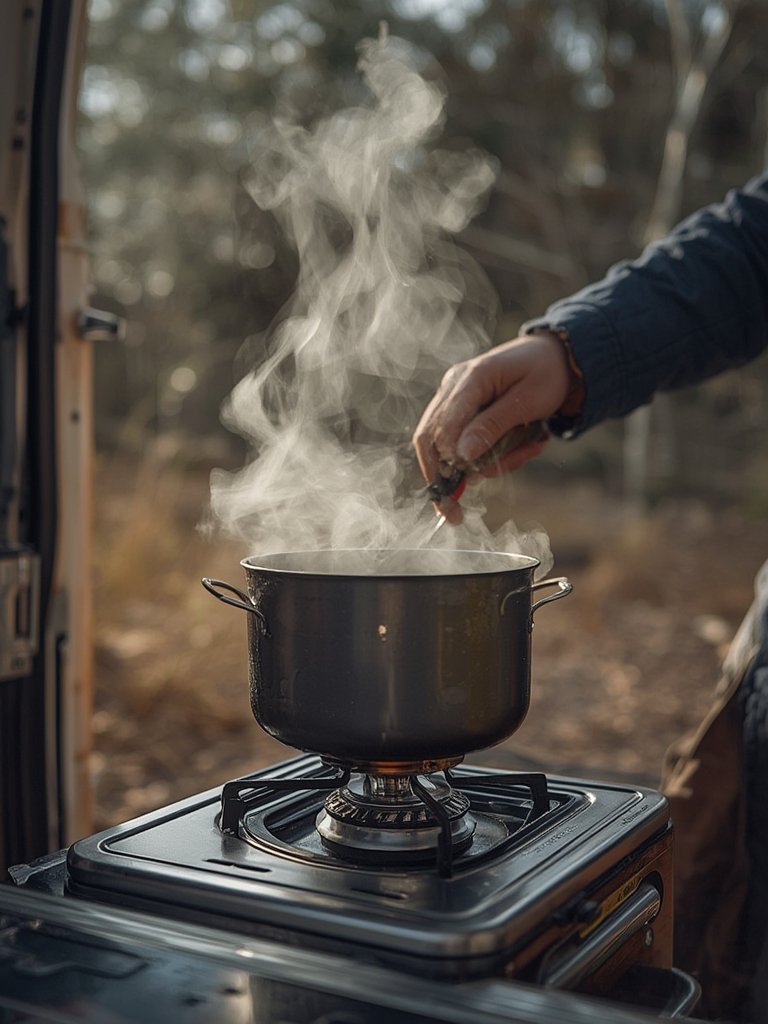
In my van, space and durability always trade off. For longer trips, I favor an affordable hiking stove that folds flat but still can handle my favorite backpack kitchen kit. If you’re hard on gear, steer toward models with reinforced hinges or steel-pot support arms, even if it bumps the weight up half an ounce.
Finally, if sustainability is your jam, prioritize stoves that sip fuel. Eco-focused models may cost a bit more, but burn cleaner and use propane/isobutane blends that are easy to recycle. For more on picking the best fuel (including pros and cons of alcohol and multi-fuel setups), read our canister stove vs alcohol stove comparison.
Addressing Ventilation and Safety Concerns
Let’s get real: most gear reviewers haven’t cooked inside a cramped vehicle at 6 AM with the windows barely cracked. Van life means thinking differently about indoor safety and ventilation, because your best backpacking stove—for all its power and speed—can still become a hazard if used recklessly.
Data shows expert reviewers routinely miss how van lifers use stoves differently. The biggest risks aren’t just about burn speed or fuel type, but about carbon monoxide (CO) buildup from open-flame use in small, poorly aired spaces (SNS Insider). No budget backpacking stove under $100 comes with auto-shutoffs or built-in fans: you need to provide the airflow yourself.
Here’s a must-have van safety checklist for cooking inside your rig:
- Crack at least two windows or doors every time you light a stove inside.
- Use a small battery-operated fan to keep air moving—don’t rely on passive air vents alone.
- Never leave your stove burning unattended, even for a minute.
- Invest in a compact CO detector for your van. It’s a $15–$25 item that could save your life.
- Plan your kitchen area so you never have to reach over the flame to get your utensils or spices.
If you do most of your cooking outside, you’ll sidestep most hazards. For those unavoidable winter breakfasts in the van, vigilance (and airflow) are everything.
Product Comparison: The Best Backpacking Stoves Under $100
Comparing stoves isn’t just about numbers—it’s about how they really perform for van life. Here’s a breakdown of five top-rated backpacking stoves under $100, weighing their real-world van life benefits and trade-offs:
| Product Name | Weight | BTU Output | Boil Time | Price | Key Features |
|---|---|---|---|---|---|
| BRS-3000T Titanium | 0.9 oz | 8,500 | ~3 min | ~$60 | Ultralight, compact, and fuel-efficient |
| MSR PocketRocket | 3.0 oz | 8,000 | ~3.5 min | ~$70 | Stable on uneven surfaces |
| Coleman Classic | 4.0 oz | 9,000 | ~4 min | ~$30 | Affordable and durable, perfect for weekend |
| Fire Maple FMS-300T | 2.5 oz | 9,000 | ~3 min | ~$50 | Good wind resistance, gas-efficient |
| Jetboil Flash | 1.0 lb | 10,000 | ~2 min | ~$85 | Fast boil times, integrated cooking system |
In real-world use, the BRS-3000T wins on size and weight—if you cook quick, simple meals in the van. The MSR PocketRocket excels on unpredictable, uneven surfaces, key for stealth camping in cities or parking lots.
The Fire Maple FMS-300T is a strong middle ground, with good wind resistance for outdoor camps. The Coleman Classic brings old-school durability for just $30, but its size won’t suit ultralight setups. If you want an all-in-one system and don’t mind a one-pound kit, the Jetboil Flash is worth the splurge—but remember, in tight van spaces, bigger isn’t always better.
For a more in-depth performance breakdown of these and their competitors, cross-reference the latest lab and field-tested data at OutdoorGearLab, GearJunkie, and Adventure Alan.
Addressing Common Challenges for Van Lifers
What do real van lifers (myself included) struggle with most when using backpacking stoves? Here’s a candid list from my own travel log, bolstered by research and the top patterns in Reddit’s r/vandwellers and r/CampingGear threads:
- Space Constraints: The “best” stove doesn’t help if you have nowhere safe to stash it. Collapsible models fit glove compartments or under-bed bins; avoid bulky steel units unless you cook outside only.
- Multi-fuel Flexibility: Gas canister shortages do happen. Some stoves can adapt to propane or butane blends, but you’ll rarely find true multi-fuel burners under $100, so always carry a backup canister or learn local fuel supplies along your route.
- Durability vs. Weight: Super-light aluminum stoves can dent or struggle when you’re driving rough backroads—or if they tumble out of an overhead cubby. Titanium is less fragile, but watch for pot support arms that can bend easier than expected despite the price tag.
- Wind Effects: Even the most affordable hiking stove will lag badly in wind: count on 20–30 percent slower boils, though models like Fire Maple tout improved wind resistance.
- Indoor Setup Pitfalls: Without a level surface or stable install, lightweight stoves can tip, spill, or scorch your cabinets. Always use a heatproof mat and test stability with a pot of cold water before using indoors.
| Attribute | Titanium | Aluminum | Steel | Van Life Takeaway |
|---|---|---|---|---|
| Weight | Lightest | Light | Heavy | Aluminum for most, titanium for ounces saved |
| Durability | Good/Can bend | Can dent/warp | Excellent/Scratch proof | Steel great for stationary storage, not trails |
| Boil Speed | Fastest (3 min) | Good (3-4 min) | Slowest (4-5 min) | Cold mornings favor titanium/aluminum |
| Wind Resistance | Dependent on design | Varies | Low | Use a windscreen whenever possible |
| Price | High | Low-Mid | Low | Under $100: aluminum rules |

For more guidance on specific van-friendly designs (including stealth options and mobile safety), check out our complete camp stove for van life guide.
Conclusion
There’s no universal winner, but the best backpacking stove for van life under $100 delivers lightweight, rapid cooking without compromising your van’s safety or precious storage. Aluminum models dominate in budget and weight, while a titanium ultralight unit like the BRS-3000T is perfect if every ounce matters. Always factor in ventilation needs, real durability on the road, and the actual way you camp.
Ready to upgrade your mobile kitchen? See the best backpacking stove deals on Amazon—compare models, read genuine reviews, and choose the features that fit your adventure style. Happy trails and safe cooking out there!
FAQs About Backpacking Stoves for Van Life
What are the best lightweight stoves for van life?
Stoves like the BRS-3000T titanium (0.9 oz) and Fire Maple FMS-300T (2.5 oz) shine for minimal weight and size, fitting into even over-packed van kitchen kits.
How can I improve ventilation when cooking in my van?
Always crack at least two windows or doors. Use a small battery-powered fan and never block vents. Consider a portable CO detector for added peace of mind.
Are there affordable options that are also durable?
Yes. Models like the Coleman Classic or MSR PocketRocket balance durability with affordability. Look for steel-reinforced pot supports or thicker aluminum if you’re rough on gear.
How do I choose between aluminum and titanium stoves?
If every ounce counts (backpacking, thru-hiking), titanium is king—though pricier and sometimes less stable. For most van lifers, aluminum stoves are rugged enough and half the price of premium titanium.
What safety precautions should I take when using a stove inside a vehicle?
Ensure good airflow (crack windows, use a fan), never leave the stove unattended, keep a compact fire extinguisher nearby, and invest in a CO detector. Always place your stove on a heatproof mat in a stable, open area.