
collapsible pot camping setup saved my sanity the first time I camped in the rain at a tight van site under a red cliff in southern Utah. When your kitchen cabinet is barely bigger than a shoebox, but you want hot coffee at sunrise and a full pasta dinner after a mountain hike, every inch and ounce matters. Whether you’re posted up on the Pacific Coast, deep in the Colorado mountains, or making quick weekend escapes, packability and simplicity make all the difference. That’s where foldable, lightweight camp pots truly shine—if you know what to choose and how to avoid the pitfalls. Let’s dig in.
Key Takeaways
- Collapsible camping pots solve van and camper storage, shrinking up to 70% smaller than classic rigid cookware.
- There are big differences in material safety and durability—look for true BPA-free silicone, locking lids, and avoid cheap non-stick coatings.
- The best lightweight collapsible pots weigh under 1 lb and double as backpacking gear for real van life versatility.
Table of Contents
Why Choose a Collapsible Pot for Van Life?
Rigid cookware might work at home, but once you’ve spent a week with cookware rattling around in your van or blocking access to your food bins, you’ll appreciate a collapsible pot camping setup. Foldable camp pots are made from food-grade silicone and heat-resistant bases. They shrink down by 50 to 70 percent, freeing up precious space for other necessities—especially in a van’s tiny cabinets or drawers.
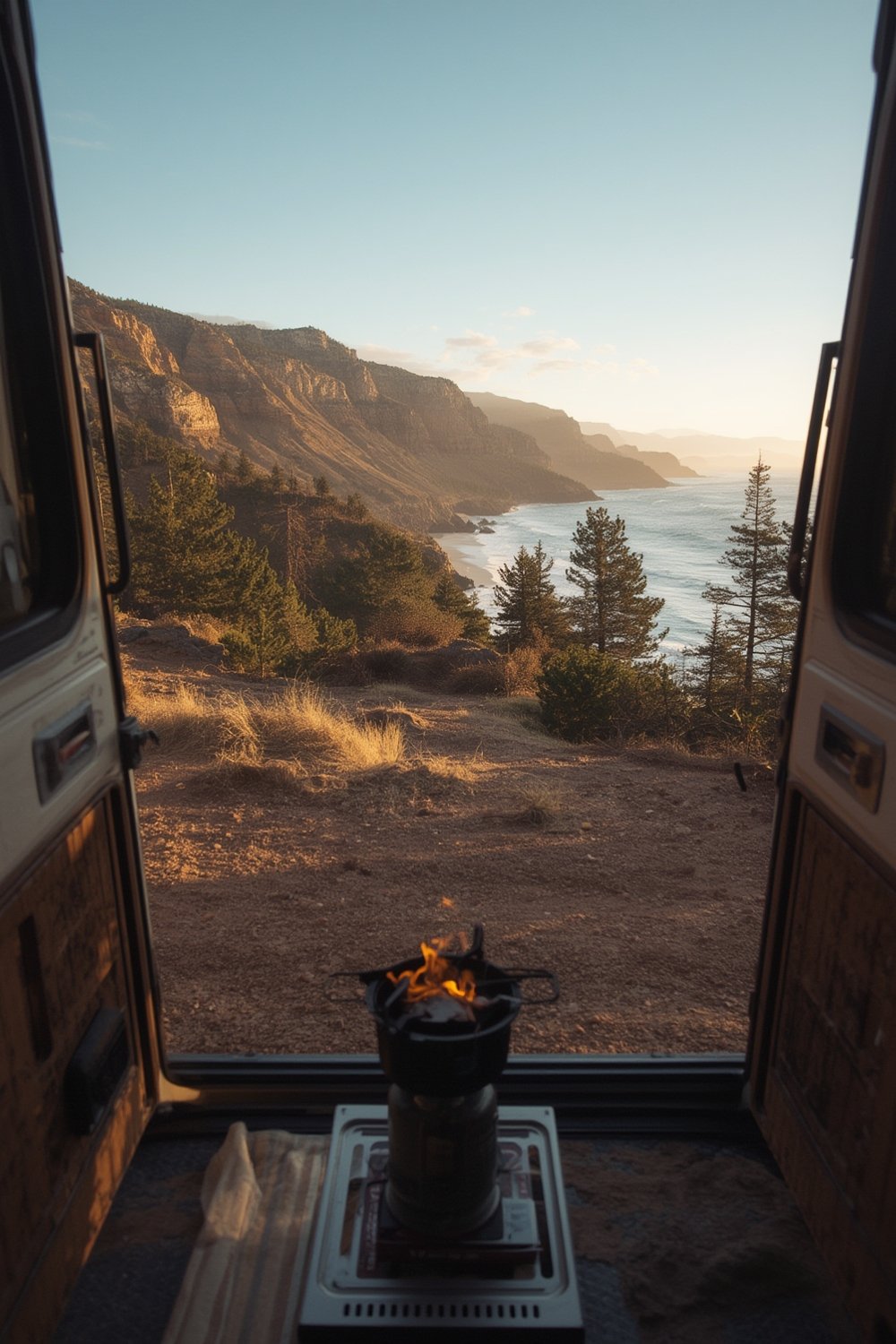
Storage is only half the story. These pots are exceptionally lightweight—often weighing less than a pound—so you can hike them to a river cookout or stash them in a daypack for a summit meal. For van dwellers and weekend warriors, being able to pack a full cooking kit (full cooking kit) into one flat layer means you’ll cook more real meals—and spend less time untangling gear.
Want more versatile camp kitchen tips? Check out my camp cookware for van life guide.
Common Concerns When Choosing a Collapsible Pot
As handy as silicone camping pots are, not all models are created equal. Durability is a huge concern. Some lightweight collapsible camping pot reviews mention handles that loosen after several trips, or silicone that warps when exposed to high heat.
Another real downside is non-stick coatings. Many cheap models use Teflon (PTFE) or similar surfaces that scratch easily. According to reports from OutdoorGearLab’s camping cookware labs, even established brands like GSI see issues with flaking coatings, which can lead to odd tastes—and potentially unsafe chemical exposure.
If the pot base is thinner than your heat source, you might also face uneven cooking or hot spots. Stainless steel interiors solve this for some, but those often come at a weight penalty. For van use, finding a balance between ultra-light and lasting durability is key. If you want the most resilient (but heavier) options, see my GSI outdoors cookware review.
Key Features to Look for in Foldable Camp Pots
When I shop for collapsible pot camping essentials, a few things are non-negotiable:
- Material Quality: Choose BPA-free, food-grade silicone certified for 450°F+ to avoid off-gassing or melting when boiling water or cooking inside your van.
- Locking Lids: Look for secure latches—boil-overs are a van kitchen nightmare, and a good locking lid also keeps food warm longer.
- Base Construction: Stainless steel or aluminum bases resist warping, spread heat more evenly, and extend the pot’s life even under high-BTU butane or propane stoves. Compatibility with your burner (see my butane vs propane camp stove comparison) is a bonus.
- Foldability: A true compact camping saucepan can collapse flat or nest inside bowl sets. Avoid pots that simply claim “collapsible” but don’t compress fully.
A word on safety: Some cheaper pots lack legitimate BPA testing and can leach chemicals over time—especially when exposed to intense heat cycles in a van. Always read the label and don’t be afraid to spend a little more for health and durability. And if you’re a minimalist, you might appreciate the single-wall, all-silicone pots—just keep in mind they’re more prone to cook unevenly on hot stoves.
Product Comparison: Best Lightweight Collapsible Camping Pots
After dozens of nights on the road and more meals than I can count, these are the best lightweight collapsible pots I’d recommend for van lifers and weekend campers:
| Product | Weight | Capacity | Folded Size | Material | Amazon Link |
|---|---|---|---|---|---|
| Sea to Summit X-Pot 2.8L | 10.4 oz (0.65 lb) | 2.8 liters | 8 x 1.5 in | BPA-free silicone + aluminum base | View on Amazon |
| Odoland Collapsible Camp Pot Set | 13.4 oz (full set) | 1.4 liters (pot) + 0.8L (kettle) | 7 x 2 in | Food-grade silicone + steel bases | View on Amazon |
| FoRapid Foldable Silicone Pot | 12.3 oz | 2 liters | 7 x 2 in | BPA-free silicone + steel | View on Amazon |
| Barbariol Ultralight Folding Pot | 7.6 oz | 1.1 liters | 6 x 1 in | Platinum silicone + steel | View on Amazon |
All of these weigh less than one pound and collapse down to under two inches thick—perfect for stacking with your foldable camping bowl or tucking into a single drawer in your van. The Sea to Summit X-Pot stands out for its locking lid and durable, fire-safe aluminum base, making it a proven favorite for van dwellers and backpackers alike. The Odoland pot’s full kit (pot, kettle, sporks) is unbeatable for couples or those who want an all-in-one mobile camp kitchen.
For hard data on market trends in camping cookware and why North America is pushing lightweight collapsible innovation, see the Campsite Cooking Gear Market Outlook.
Practical Tips for Using a Collapsible Pot in a Van
Having cooked in a van for months on everything from a single-burner butane stove to a full propane cooktop, here’s exactly how to set your kitchen up for safe, efficient meals with a silicone camping pot.
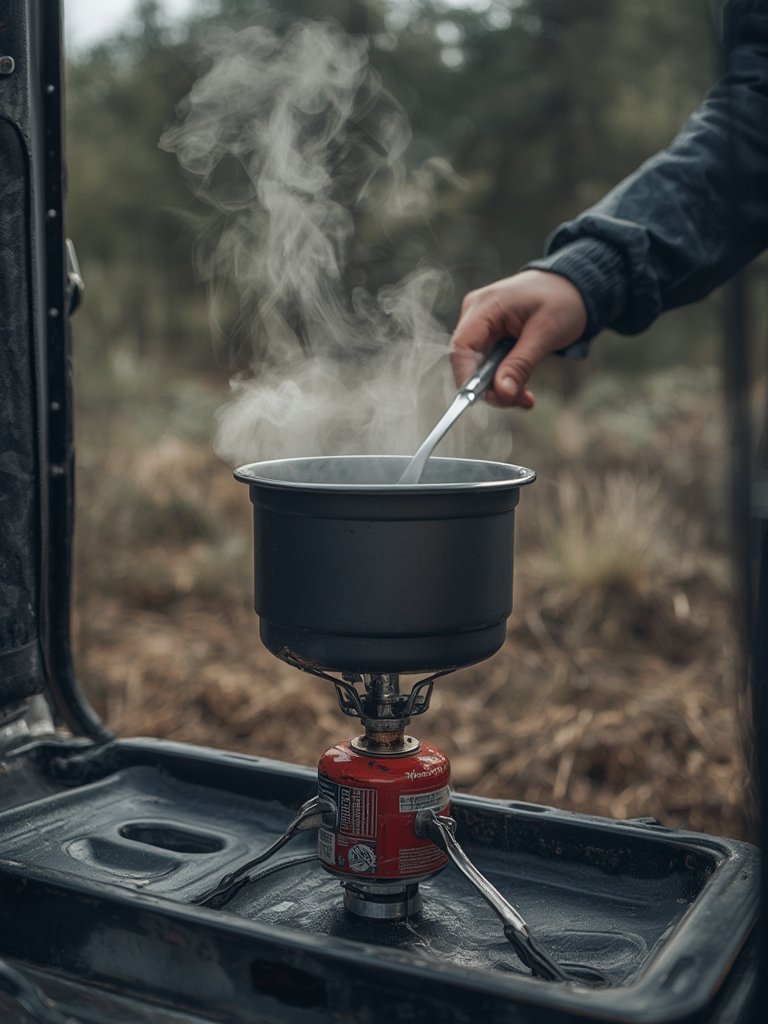
1. Pick Your Heat Source Carefully: Many van campers use stoves over 10,000 BTU. Silicone collapsibles aren’t designed for high, direct heat—so keep that burner on low-medium, and never leave your pot unattended. The aluminum or steel base must be fully on the burner.
2. Plan For Ventilation: Cooking in a small space requires airflow. Crack a window or roof vent so steam and any off-gassing escapes safely. Even BPA-free silicone can smell odd on first use—wash your new pot a few times before cooking.
3. Clean Up Fast: Let pots cool before collapsing. Use a sponge (not steel wool) to preserve both silicone and nonstick. Many pots (like the Sea to Summit) are dishwasher safe, but double-check your manual if you plan to use campground facilities.
4. Keep It Dry When Not In Use: Silicone is naturally mold-resistant, but water trapped in folds or seams can lead to musty smells. Dry thoroughly before storing in your van’s kitchen bin.
5. Double-Duty: Use collapsed pots as large bowls or even water trays for rinsing veggies if you’re running with limited clean water. This one gear item really does multi-task.
Advanced Analysis & Common Pitfalls
Based on product reviews and my own van adventures, here are the top pitfalls to avoid with collapsible camping pots:
- Deformation On High Heat: Cheap pots and those with thin bases can warp or even melt on strong van stoves—especially if the flame licks the sides. Always check flame spread.
- Flimsy Handles: Some ultralight designs sacrifice sturdy handles. When lifting a hot pot full of pasta, this can be risky.
- Boil-Over and Lid Slippage: Secure locking lids prevent food mess, which is a big deal in a van. Models without tight lids often leak or pop off during a rolling boil.
- Odors and Taste Retention: First uses of silicone can create faint rubbery taste, especially with acidic foods. This usually fades after a few washes, but lingering smells can happen if food gets trapped in seams.
- Cleaning Challenges: While most silicone is easy to wipe, sauces and oils can get stuck in collapsible folds if not thoroughly scrubbed and dried.
- Long-term Wear: Frequent folding and collapsing may weaken the pot at seam points. Invest in a well-built model that can handle hundreds of use cycles. According to premium brands hold up best over time, premium brands hold up best over time.
| Issue | Cheap Foldable Pot | Premium Foldable Pot (e.g., Sea to Summit) |
|---|---|---|
| Heat Tolerance | May deform or melt at high temps | Rated for 430-450°F; holds shape if used carefully |
| Handle Strength | Prone to wobble, detach, or slide | Secure, riveted or reinforced handles |
| Lid Security | Simple press-on or loose | Twist-lock or snap-down, steam-vented |
| Taste Retention | Sometimes imparts silicone flavor (first uses) | Minimal after breaking in |
| Cleanup | May trap food in folds | Smoother surface, less food trapping |
For more details and side-by-side collapsible cookware picks, see our best collapsible cookware camping roundup.

Conclusion
If van life has taught me anything, it’s that the right gear matters more than the sheer amount. Collapsible pot camping gear frees up precious cabinet space, weighs next to nothing, and can flex between weekend escapes and longer journeys. For safety and better cooking, spend a little more for real BPA-free silicone, locking lids, and sturdy handles—your mobile kitchen will thank you.
Ready to upgrade your van kitchen? Find the Sea to Summit X-Pot 2.8L on Amazon and experience the difference that a compact, foldable pot can make for your next adventure.
Above all, choose camp cookware for van life that’s as portable as it is practical—packability and low weight are key for enjoying meals everywhere your tires take you.
Collapsible Pot Camping FAQ
Are collapsible camping pots safe for cooking?
Yes—if you choose BPA-free, food-grade silicone models with stable metal bases. Always use a pot that explicitly states it is rated for high temperatures (at least 400°F+) and avoid letting the silicone parts touch direct flame. Cheap, uncertified pots may leach chemicals or warp, so buy from trusted brands.
How do I clean a silicone camping pot effectively?
Let the pot cool, then wash with a soft sponge and mild soap. Pay attention to any folds or creases—food and sauces can hide there. Most collapsible pots (like Sea to Summit) are top-rack dishwasher safe, but hand-washing preserves lifespan. Always dry thoroughly before collapsing and storing to avoid musty smells.
What is the average weight and capacity of collapsible camping pots?
Most lightweight collapsible camping pots range from 7 to 13 oz (well under 1 lb). Capacities vary by brand, but common van life-friendly sizes are 1.1 to 2.8 liters—enough for solo or two-person meals. Larger pots suit group van trips but may be less compact.
Can I use a collapsible pot on a high-BTU stove?
You can, but keep the flame low and centered. High-BTU stoves (10,000+ BTU) can easily overheat silicone, leading to warping or even melting if the flame touches the sides. Always read the manufacturer’s recommendations and choose pots with thick, conductive metal bases for van use.
What should I look for in terms of durability for long-term van life use?
Choose pots with reinforced metal bases, locking or snap-fit lids, and sturdy handles or grips. Avoid any that rely solely on silicone for structure, as frequent folding can eventually cause seam failures. Premium brands test their gear to hundreds of collapse cycles—worth the investment for daily use on the road.
—